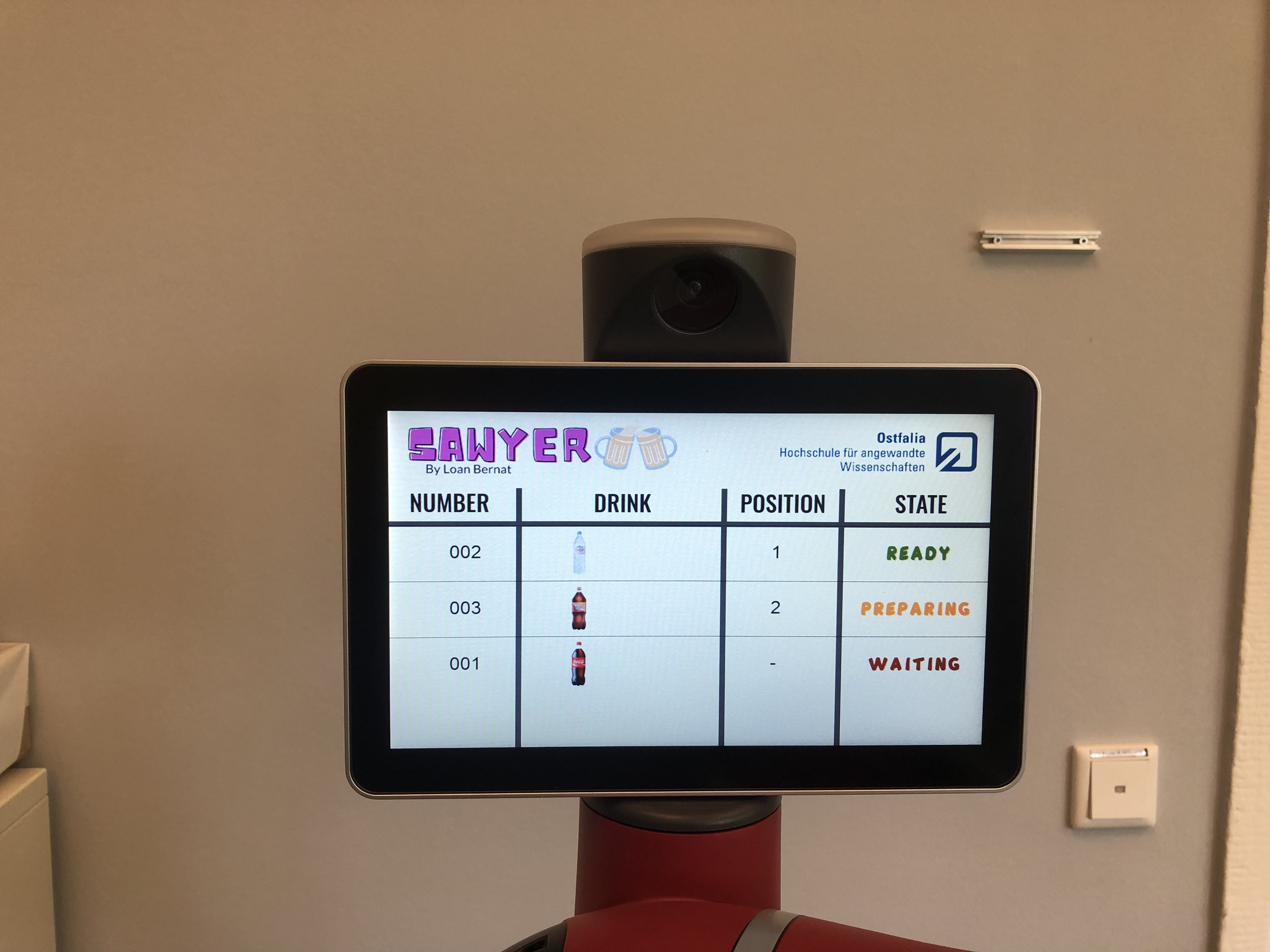
This project was developed during a research internship at Ostfalia University of Applied Sciences (Germany). The objective was to design a complete robotic bartender system using a Sawyer manipulator, integrated with a Pepper robot acting as a waiter. My focus was entirely on the Sawyer application.
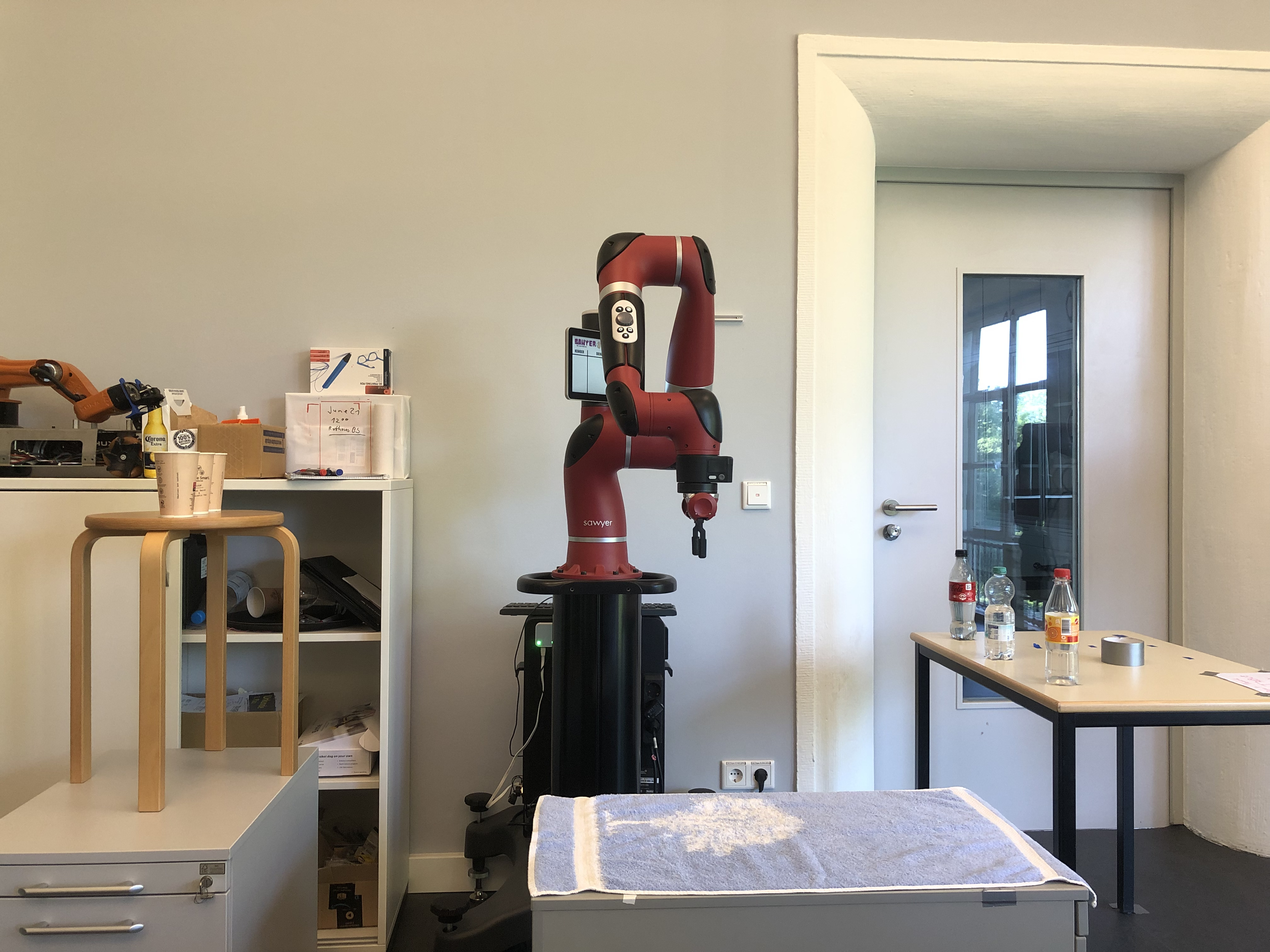
#System Overview
I treated this as a full-stack robotics problem:
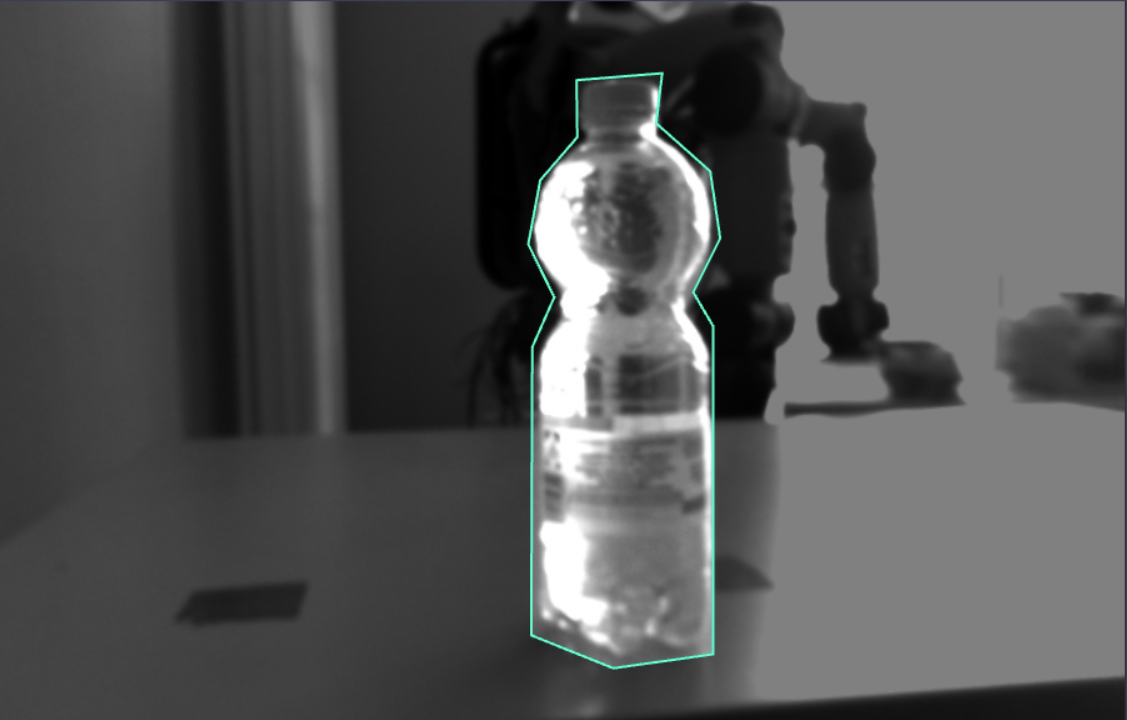
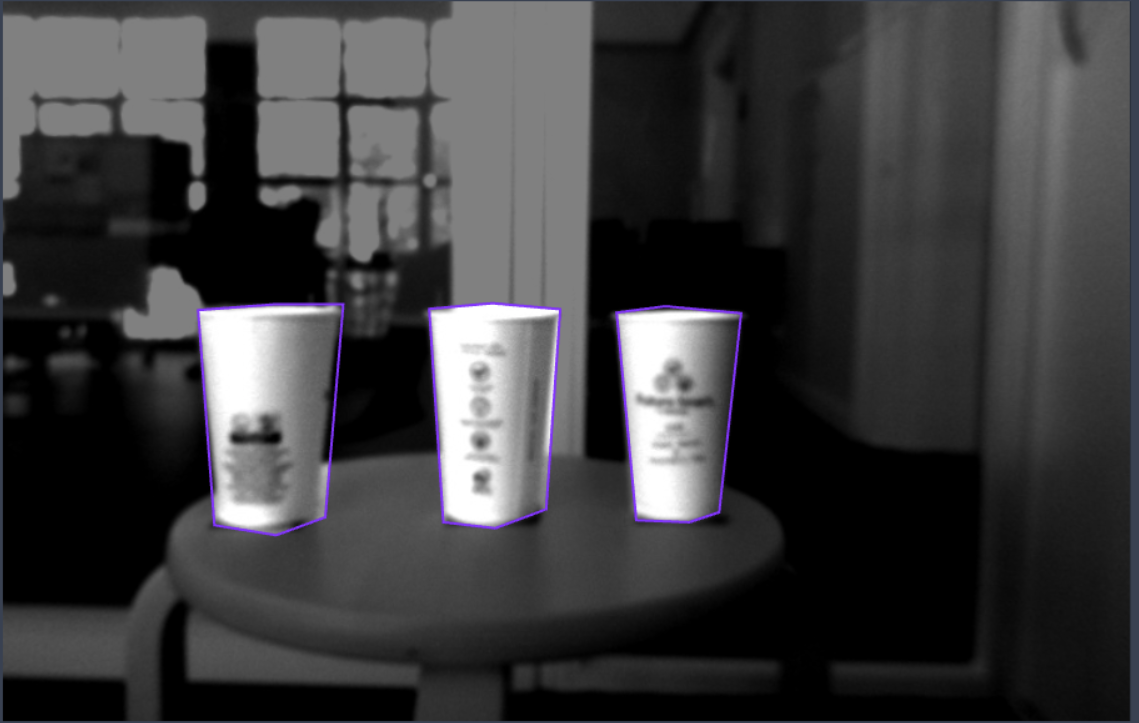
- Perception: I trained and integrated YOLOv5 to identify bottles and cups. While being reliable under the shifting lights of a lab environment.
- Manipulation: I designed the grasp sequencing to handle different bottle shapes and ensure a steady pour without “spilling”.
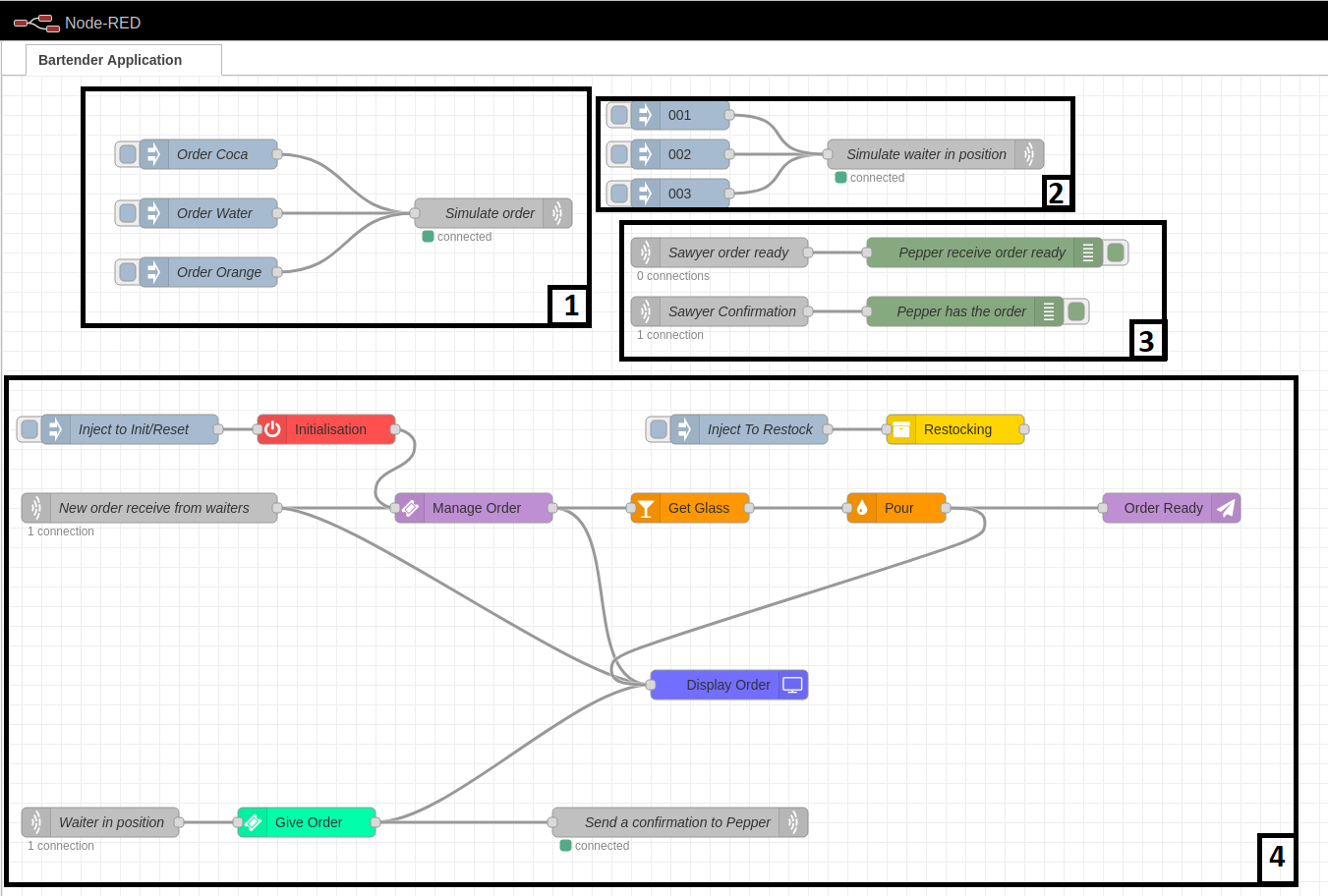
- The Bridge (No-Code): I built a Node-RED interface that abstracted the ROS complexity. It allowed Master’s students to “program” the robot for their own experiments.
The perception outputs below show the bottle and cup segmentation used to localize objects before manipulation.
The Node-RED flow connected order creation, robot execution, and confirmations exchanged with Pepper.
It was one of my first autonomous project on a real robot. Supervisors let me explore any solution that I want and I really faced the curse of any real robots application: race conditions 🫡 and timing issues.
#Technical Challenges & Design Choices
- Robust perception: bottle and cup detection needed to be reliable under varying lighting and clutter.
- Grasp sequencing: handling bottles safely while ensuring stable pouring.
- Human-in-the-loop coordination: synchronizing actions with Pepper or Humans required explicit confirmation handling.
- Usability: the Node-RED interface had to abstract ROS complexity while remaining expressive for students.
#Outcome
The final system was able to autonomously execute drink-serving sequences, from order recognition to cup delivery, while remaining configurable through a no-code interface.
This project demonstrates my early experience with:
- full-stack robotic systems
- perception-driven manipulation
- ROS-based orchestration
- designing interfaces for non-roboticists